

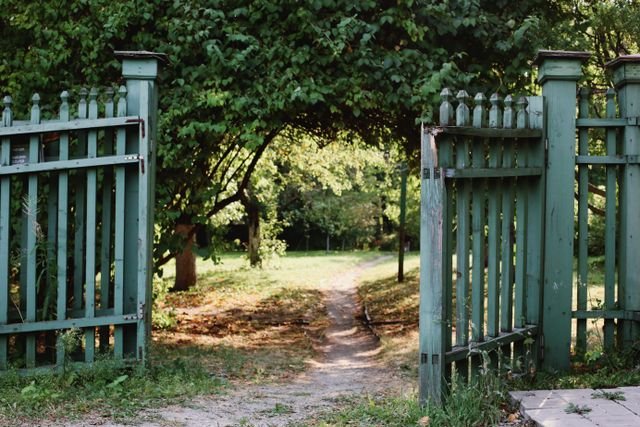

Most people do not give thought to their front gate until such time as it is beginning to droop, lose its colour, and fail to latch properly. This is not the case with feature timber gates, which are the boundary element homeowners will often carefully consider prior to deciding upon any other aspect of their front yard.
What Makes a Feature Gate Different From Standard Fencing?
A feature timber gates Melbourne property owner would recognise that these gates are designed with visual weight and material presence that exceeds the functional requirement of closing an opening. The distinction is practical: a feature gate typically sits taller, uses a premium timber species or treatment, and incorporates deliberate design decisions, including reveals, shadow lines, and considered hardware, that a standard paling or picket gate wouldn’t include.
Feature gates appear most purposefully at driveway openings or wider pedestrian entries, where the scale of the opening justifies a more considered design response. At a standard pedestrian gate width, elaborate treatment can look disproportionate. At a driveway opening, a well-designed feature gate anchors the entire front boundary composition and gives the property a point of arrival rather than just a point of access.
Timber Species and What Melbourne’s Conditions Demand Over Time
Melbourne’s climate is tough on exposed timber, weathering it with UV bleaching, seasonal moisture swings and temperature changes that get at the appearance and structural integrity of your gate over time. But if you spec the wrong timber for your exposed gate, you’re in for a world of maintenance you probably didn’t plan on.
Cedar is always a popular choice for feature gates because it’s light, stable and takes paint, stain or oil evenly, which is a big plus if you want your gate to look good for years to come. It’s especially good for bigger gates where the timber has to withstand weather shifting; its stability makes it a sensible choice. Spotted gum and merbau offer heaps of extra density and natural oils that resist surface degradation, but they weigh a lot more; that can affect your hinge and gate swing performance over time if you don’t plan for it. Treated pine works alright as a structural base if you’re going to fully paint it and don’t care about the grain showing, but if you want a natural finish on your gate, it’s not the right material to go with.
Gate Automation: The Practical Considerations in Melbourne’s Context
Electric gate automation is getting more popular in Melbourne, especially in areas where manual access just isn’t practical when you’re trying to get home. But there are two main types of automation setups and they suit different site conditions.
Sliding automation works best for level, uncluttered driveways with enough room to swing the gate back. Swing gate automation suits narrower driveways where you can get the full arc of the gate in on approach. And let’s be real, Melbourne’s winds don’t help with this. You want a motor big enough to handle the gate’s weight or you’ll be replacing it long before the season’s even over. On top of that, throwing in intercom integration, keypad entry or induction loop detectors at the start is way cheaper and less of a hassle than trying to add them on later.
Proportions, Hardware, and the Finish Decision
How big your gate is relative to the fence and any walling is the number one thing that decides whether your feature gate looks like something you put some thought into, or just a big piece of timber filling a gap. Your hardware, hinges, latches and locks, needs to match the gate in all the right ways.
And the finish, don’t wait until it’s too late to decide on that either. A penetrating oil or stain gives your gate a nice look and lets the timber grain shine through, but it means regular maintenance in Melbourne’s weather. That’s a trade-off you need to consider.
Making the Gate and Fence Read as One Composition
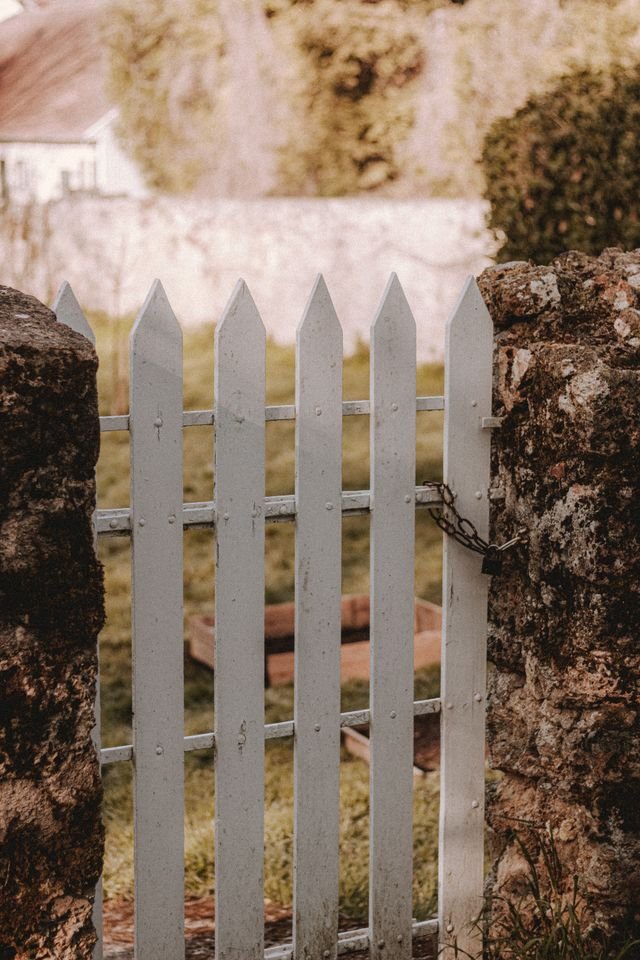
Feature gates are a winner when they’re the clear star of the front boundary. But if your fence is the one getting all the attention, or the gate design is competing with the rest of the fence, your gate loses its mojo. The way the gate meets the fence and the surrounding panels is key to whether it looks like a single, thought-out design or just random elements thrown together.
For wider driveway gates, a galvanised tubular steel frame under the timber cladding is pretty standard.