


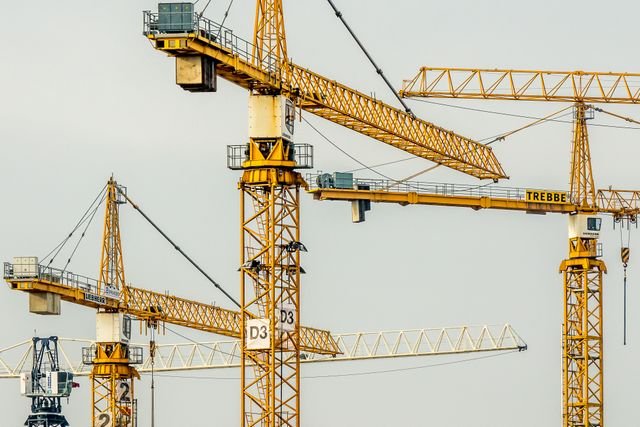

On the day of a major lift, everything looks calm. A crane is positioned, a load is rigged, the crew exchanges signals and a precast panel, steel beam or piece of plant rises smoothly into place. Spectators might think it looks easy. Project managers know better. That calm moment is the result of weeks, sometimes months, of planning.
Large lifts involve heavy loads, expensive equipment, tight sites and significant safety risks. Getting them right demands careful coordination between engineers, crane providers, riggers, site managers and sometimes local authorities. Engaging an experienced heavy lifting service early in the planning process helps ensure the right equipment, people and procedures are in place well before the big day.
Start with the load
Everything begins with understanding exactly what needs to be lifted. Project managers need accurate information about the load’s weight, dimensions, centre of gravity and lifting points.
Guesswork is dangerous. A load that is heavier than expected, or with an off-centre balance, can overload a crane or cause it to swing unpredictably. Manufacturers’ data, engineering drawings and, where necessary, weighing the load provide the certainty required.
Assess the site
The site itself has a huge influence on how a lift can be performed. Consider access for the crane and any support vehicles, the space available to set up, the ground’s bearing capacity and the presence of underground services, overhead powerlines and nearby buildings.
Soft or uneven ground may require crane mats, engineered pads or ground improvement. Tight urban sites may need road closures, traffic management or lifts scheduled outside normal hours.
Select the right crane
Choosing the crane involves more than matching the maximum capacity to the load weight. Capacity decreases as the boom extends further from the crane. The radius of the lift, the height required and any obstacles that must be cleared all affect which crane is suitable.
Crane hire specialists use load charts and lift planning tools to determine the most appropriate machine, sometimes recommending a larger crane than expected to keep the lift within safe working limits.
For particularly heavy or awkward loads, a tandem lift using two cranes may be required. These lifts are complex and demand detailed engineering and coordination.
Develop a lift plan
A formal lift plan documents how the lift will be carried out safely. It typically includes load details, crane selection, rigging configuration, exclusion zones, communication methods, weather limits and emergency procedures.
Critical or complex lifts often require engineering review. The plan should be reviewed with everyone involved so each person understands their role and the sequence of events.
Rigging matters
The connection between crane and load is just as important as the crane itself. Slings, shackles, spreader bars and lifting beams must be rated for the load and inspected before use.
Qualified riggers and dogmen select appropriate gear, attach the load correctly and guide the crane operator throughout the lift. Poor rigging is a common contributor to lifting incidents.
Watch the weather
Wind is one of the biggest threats to a safe lift. Large, flat loads such as panels can act like sails, making them difficult to control in gusty conditions. Crane manufacturers specify wind limits, and lift plans should define when work must stop.
Rain, lightning and poor visibility can also affect safety. Build flexibility into the schedule so lifts can be postponed if conditions are not suitable.
Communicate clearly
On lift day, clear communication is essential. A pre-lift briefing ensures the crew understands the plan, hazards and signals. Radios, hand signals and designated spotters help maintain control.
Exclusion zones should be clearly marked and enforced, keeping unnecessary people well away from the lift area.
Approvals and permits
Some lifts require permits or approvals, particularly when they involve public roads, footpaths, rail corridors or airspace near airports. Engage with councils, road authorities and other stakeholders early to avoid delays.
Learn from each lift
After a major lift, take time to review how it went. What worked well? Were there any near misses or unexpected challenges? Capturing these lessons helps improve future planning.
Planning prevents problems
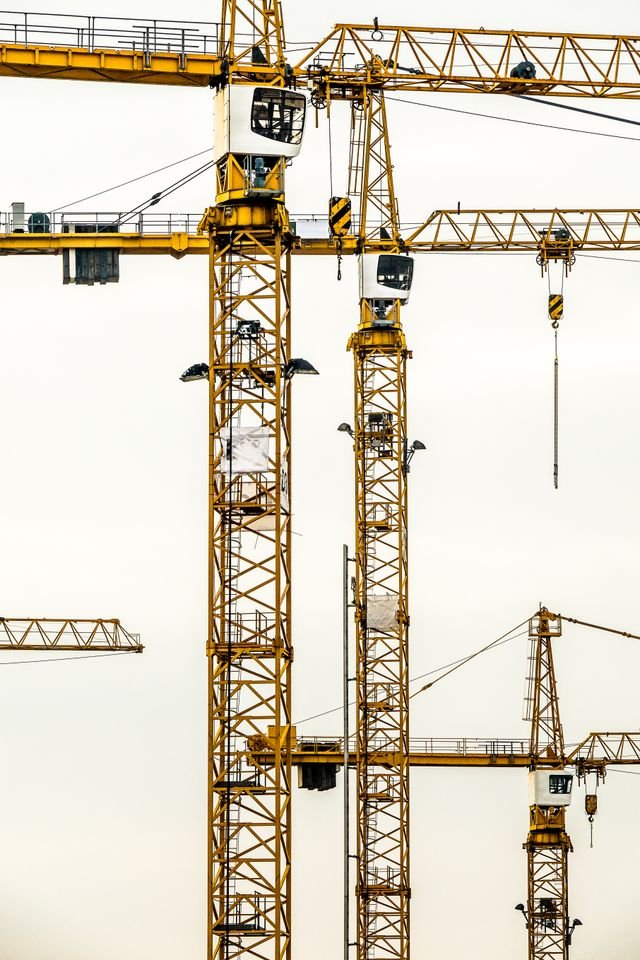
Major lifts are high-stakes moments on any project. With thorough planning, the right equipment and experienced people, they can be completed safely and efficiently, keeping the project on schedule and everyone on site out of harm’s way.