


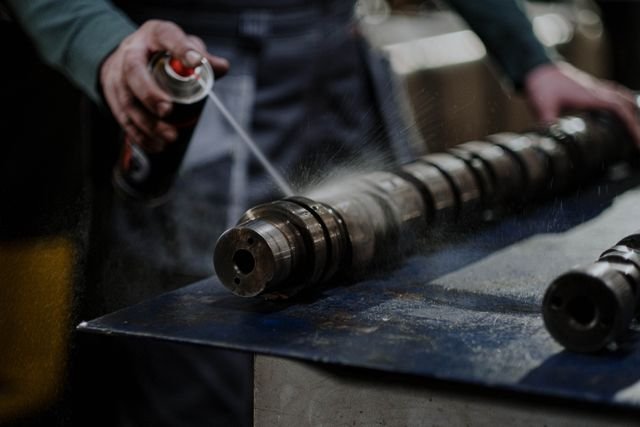

The setting itself has a story to tell: a cool start to the day is not a reflection of the searing heat and vapour generated once commercial equipment is at service temperature. It’s the link between cold surfaces and rapid heat-up that is the connection for Tenterfield hospitality businesses that are experiencing changing seasonal conditions between everyday convenience and combining deep cleaning with routine checks that are suitable for seasonal operation. Because condensation and temperature changes can affect how residue settles on metal surfaces, a disciplined check of condensation should be the first step before promises of steadier extraction and less odour or residue problems across the year.
Residue settling on metal surfaces can be influenced by condensation and temperature changes. True value is realised when attention is taken away from these and filter condition and menu changes are understood through combining deep cleaning with routine checks suited to seasonal operation . This discussion considers ventilation startup as useful information, not a minor detail to leave until the end. The Tenterfield hospitality business can assess cost, timing and likely performance on the same practical basis of changing seasonal conditions, using cold surfaces as a yardstick.
Cold surfaces: the first practical sign
When there is a need for action grease cleaning Tenterfield is important as condensation and temperature fluctuations can change how residue settles on metal surfaces. The quick heat-up makes the phrase a call to bundle deep cleaning with routine checks adapted to seasonal operation, rather than a generic purchase for Tenterfield hospitality businesses with shifting seasonal conditions. A credible recommendation has to connect the scope, schedule or investment level to condensation, filter condition and menu changes before anyone agrees to it.
Scope becomes believable when it names filter condition, menu changes and ventilation startup. Filter condition determines how to handle menu changes here . Ventilation startup may change final sequence . By displaying those links, Tenterfield hospitality businesses can differentiate between work essential to more consistent extraction and fewer odour or residue problems throughout the year and refinements that can be deferred until a later stage.
The link between quick heating and condensation
A good start is when everyone agrees on clearing high-load areas, modifying the maintenance schedule, noting seasonal patterns and finally examining deposits. Completing clean high load zones before the maintenance schedule adjustment protects the treatment of cold surfaces from an untested assumption. The latter steps, specifically observe seasonal patterns and inspect deposits, then become checkpoints for ventilation startup, rather than improvised reactions.
One mistake deserves special attention if the cooler weather means that grease build-up is no longer a priority. That shortcut can miss condensation, allowing inspect deposits to reveal a problem when correction is more disruptive. A disciplined start makes Tenterfield hospitality businesses with changing seasonal conditions a stronger path to steadier extraction and fewer odour or residue problems across the year without paying twice for the same uncertainty.
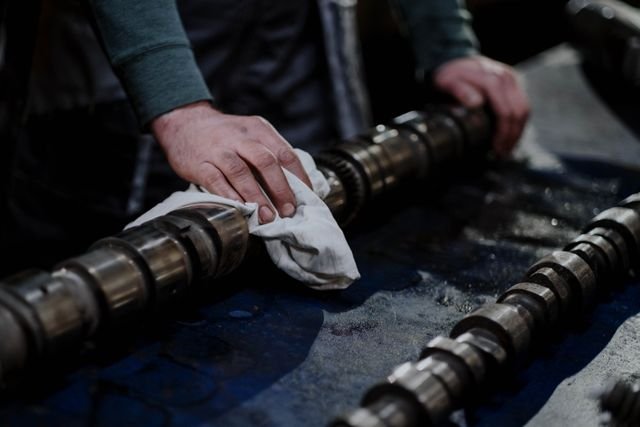
How to see seasonal patterns for more stable extraction
Real conditions test, the final solution still must respond to fast heat up, condensation and filter condition. For Tenterfield hospitality businesses, with changing seasonal conditions, steadier extraction and fewer odour or residue problems over the year only matter if it lasts through ordinary use with menu changes. The dining room experiences the season differently than the exhaust system, and the care of the exhaust system should reflect the heat generated at the cooking line.
People make better choices when they know how cold surfaces were assessed, how ventilation startup was addressed, and what inspect deposits demonstrated. The records combined with deep cleaning and routine inspections appropriate to seasonal operation provide the basis for future maintenance that starts with evidence, not memory, of filter condition. They also show to another professional why clean high-load zones, shift maintenance schedule, watch seasonal patterns and check deposits were set in that order.
Whether steadier extraction and fewer odour or residue problems are visible after ventilation start-up changes or the original pressure fades should be allowed for in the work. Later review can judge cold surfaces versus ventilation start and check if inspect deposits still supports the intended result. The review provides Tenterfield hospitality businesses with changing seasonal conditions with a disciplined adjustment path without discarding work that continues to perform. It is reasonable that where deep cleaning is combined with routine checks suitable for normal use during seasonal operation, the answer is a permanent improvement and not a temporary reaction.