


Today knee replacement surgery is included among one of the most performed orthopaedic surgeries in Australia, especially for those who are above the age of 60 years. It is reported that there are over 53,000 cases of this surgical procedure done annually in Australia, and the number is growing steadily. As the population ages and obesity increases, more people will be needing knee replacements until their total number reaches double by 2030, according to many reports. Although the surgery replaces the affected joint, the post-surgical therapy plays an important role in the patient’s health afterwards. Physiotherapy affects greatly patient’s further wellbeing as clinical studies have proven again and again that patients with physical exercises experience much lesser pain and can cope with everyday life activities without difficulties and with minimum use of medication.
The First Weeks After Surgery Carry the Most Weight
Recovery is bound to be fast during the first six weeks following the operation. Health experts and physiotherapists view the six-week timeframe as the crux of rehabilitation because the human body responds quickly when movement resumes. A study conducted by Australian hospitals showed that patients recorded their highest improvements in terms of mobility and pain reduction between week zero and week 26 following the operation, with some individuals experiencing progress as soon as they started rehabilitation. Physiotherapists seek to ensure that the knee heals correctly, maintain circulation in the leg, and prevent the muscles from becoming weak when a person rest. Rehabilitation facilities across Australia have made it their mission to have their clients standing and walking within 24 hours following the operation. Excessive waiting will lead to blood clots while joint stiffness can develop rapidly. Today, rehabilitation programs do not focus on one issue alone. Exercises that aim to increase muscle strength are combined with balance training and corrective walking to help the body regain its coordination. Specialist clinics like physio Greensborough have shifted towards evidence-based practices, which monitor a patient’s walking speed, movement of the knee, and quad muscles.
When Muscle Strength Drops, Everyday Life Changes with It?
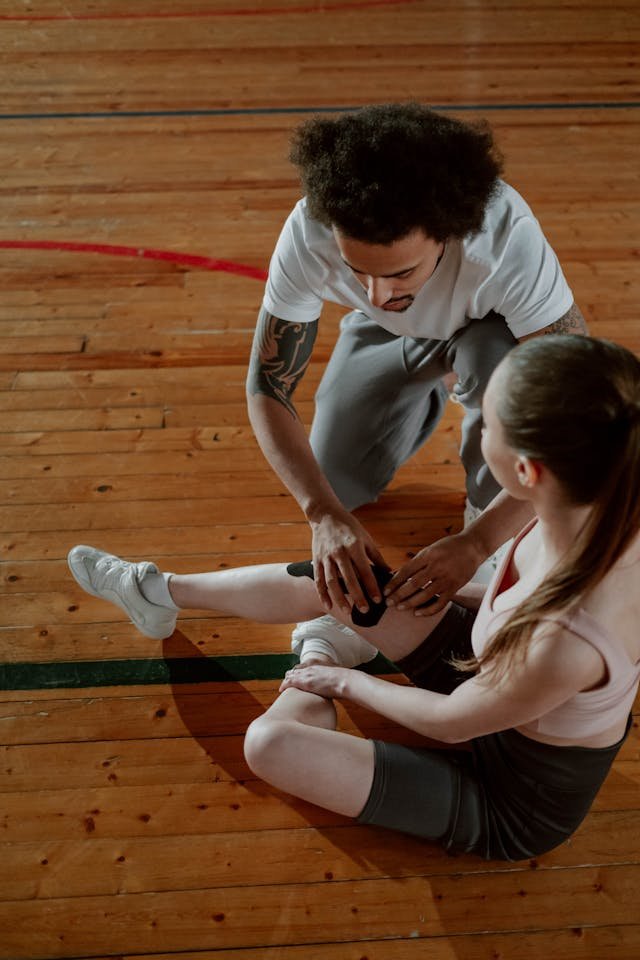
One of the most persistent issues in the postoperative state of patients is the weakness of the quadriceps muscle. Various studies have shown that post-knee replacement surgery strength can deteriorate to as much as 60%, which mainly occurs due to swelling and pain preventing muscle contraction. If no proper physical therapy is undertaken, such muscle weakness can persist up to a year, and gait will be slower, balance impaired, while the possibility of falls increases. Resistance training, cycling on a stationary bike, as well as step-training will be used to stimulate muscular activity. In a study done on 1,739 people who underwent knee replacement surgery, systematic physical therapy was shown to be effective as it decreased pain and increased physical function by about 37%.
Pain Relief Depends on Movement More Than Rest
Persistent pain following total knee replacement surgery remains a problem for orthopaedic surgeons worldwide. It is estimated that around 20% of patients experience moderate levels of pain even after undergoing successful surgical intervention. Physiotherapy becomes an important factor in addressing the problems caused by inflammation, formation of scar tissue, and joint stiffness as recovery progresses underneath. Scientific research has proven that people who underwent active physiotherapy reported reduced levels of pain at the three- and six-month marks following their operation. Proper manual techniques, exercise, and controlled movements allow better blood circulation in the knee joint area. As a result, swelling decreases and joint flexibility increases.
Rehabilitation Also Shapes Healthcare Costs
This influence goes beyond just the recovery of patients themselves. The healthcare system of Australia experiences its effects, too. Readmissions after knee replacement surgeries are associated with poor rehabilitation and mobility results, and these statistics are monitored by health services to this day. Readmissions due to some complication in Australia were reported at approximately 13%, while the most common problems observed related to wound problems. The fees for rehabilitation sessions are estimated at AUD 80 to AUD 150 per visit in Australia. Even with such costs, some studies have found that those who complete their rehabilitation course are much less likely to require further procedures or treatments, including revisions and pain management. Knee revisions surgeries carry additional health risks compared to the original one and are significantly costlier. This is why today early rehabilitation is increasingly viewed as a healthcare strategy rather than something extra.