


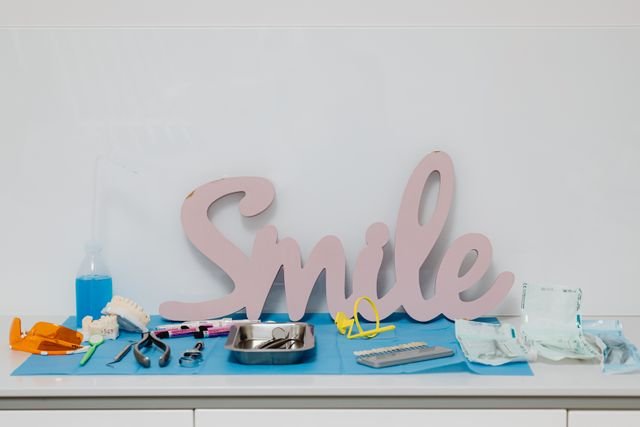

The care of one’s teeth is different at age five compared to fifty. Issues vary, treatment options are different, and the dialogue between the patient and the practitioner changes throughout a lifetime. In the case of families in Mayfield, which establish a lifetime practice of seeing the same doctor, this continuity creates a practical advantage, namely having a practitioner who knows the background of the patient prior to the visit.
Why Continuity of Care Matters More Than Most Patients Realise?
Shifts in dental care continuously result in lapses. The complete transfer of records does not always take place. Previous X-rays may go missing. A fissure being monitored in one dental practice may not be known to another. As per the Australian Institute of Health and Welfare, nearly 89,200 hospitalisations owing to potentially avoidable dental diseases were recorded in Australia during 2024-25, which is indicative, at a national level, of the impact of dental conditions piling up with no consistent clinical care.
The structural benefit of a family continuing their dental practice at the same clinic each year lies in the fact that the dentist has the background information to identify any changes. Families seeking Mayfield dental care benefit directly from this kind of long-term patient relationship.
What Actually Counts as a Dental Emergency?
Emergency dental presentations are often more limited than patients assume. A tooth being knocked out, a painful dental abscess with swelling on the face, really bad pain that you can’t control, and any severe damage to teeth or jaw all need you to contact a dentist as soon as possible. Other urgent situations like a chipped tooth that’s not painful, or a broken filling that isn’t giving you any trouble at the moment are uncomfortable, but you can see a dentist as soon as you can without panicking.
When a tooth is knocked out, the guidance from NSW Health is pretty clear-cut: keep it moist, preferably in milk or saline solution, and get to the dentist as soon as possible. It’s not the time for hanging about and waiting to see if things get worse.
Invisalign: What Really Happens During the Clinical Consultation?
Discussions of cosmetic dentistry usually begin with Invisalign because this is the orthodontic technique that people hear about most often. The value of the clinical consultation lies in the candid evaluation of your eligibility for this orthodontic solution. Invisalign works well when dealing with mild to moderate cases of overcrowded, spaced-out, and even certain types of bite issues. However, if we are talking about more complicated conditions such as jaw misalignment or a tooth that is significantly misaligned, it is better to go with fixed appliances or other combined solutions.
It is important to know about the reality of wearing Invisalign before you decide to try it. You will wear the aligners for 20 to 22 hours daily to get the desired result, taking them out while eating and drinking beverages except water. Both your teeth and the aligners should be cleaned before putting them on. Patients sometimes fail to understand the effort that goes into this process before experiencing it themselves.
How Does It Really Work Regarding Dental Payments?
It’s easy to make a claim for your private health fund rebates with the use of the HICAPS system at your appointment. You would get a rebate depending on the procedure, your own private health fund, and level of cover. The gap that would arise after you claim depends greatly from one fund to another for the same type of procedure, hence why it is advisable to shop around and compare the different private health funds before making a decision.
Child Dental Benefits Scheme offers coverage to eligible children within a capped amount of how much they can be reimbursed for procedures such as examinations, preventive care, fillings and extractions. The scheme depends on the family income and government assistance. It’s quite sad how many people I have seen who miss out on this scheme simply because they think that they are not eligible.
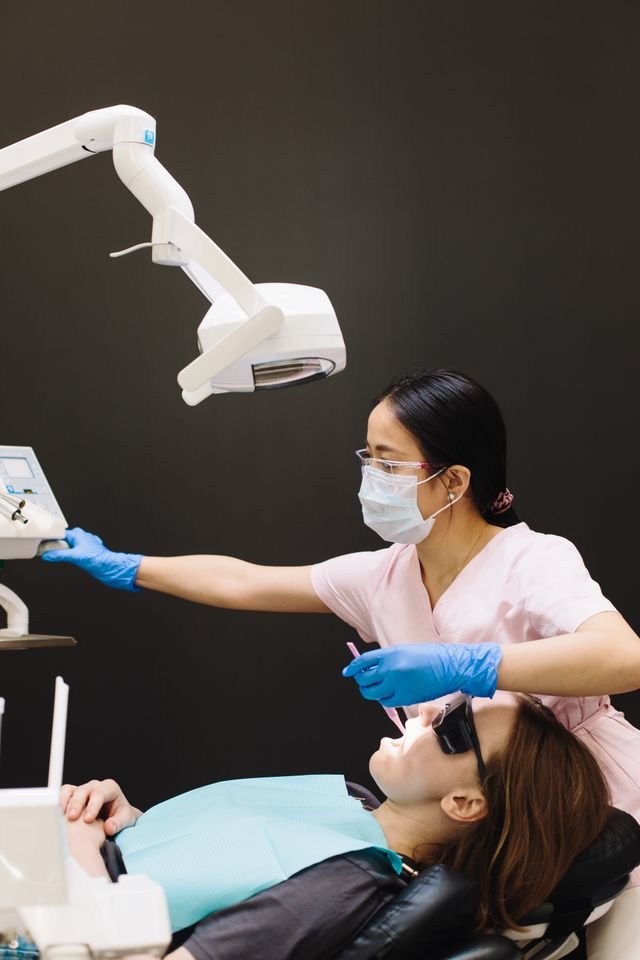
What Actually Constitutes Good Ongoing Dental Care?
Six-monthly check-ups usually do the trick for most adults and kids; they catch any problems before they get too out of hand. But if you’ve got a history of getting cavities quickly, or your gums are giving you grief, you might need to come in more often. That recall interval is just a guideline; it really depends on how much of a risk you are as an individual.
Between appointments, the one thing that makes the most difference is just keeping your home care game on point; brush for two minutes twice a day with some fluoride toothpaste, and don’t forget to clean between your teeth every day. Simple stuff, but it makes a huge difference in how well your teeth and gums do long-term if you stick to it.