


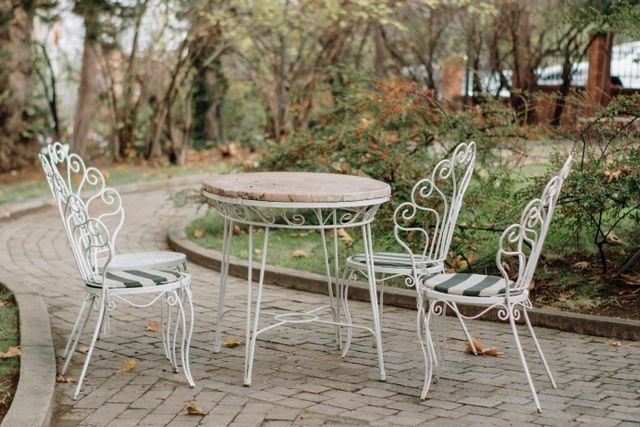

Small outdoor spaces have become the norm in Australia as the land available to build on continues to dwindle. Those Australian Bureau of Statistics numbers are telling. In 200-506 the average site area for new houses in the major cities was 602 square metres, but by 201-920 that had dropped to 467 square metres. A fall of 22%. As we all know in Australia, the great outdoors is a major priority for us, so making the most of every inch of our patio space has become a practical must rather than a design afterthought. But unfortunately a lot of us still manage to mess things up by choosing the wrong furniture and laying it out in a way that just doesn’t work.
Choosing Furniture That’s Just Too Big for Your Patio
One of the most common mistakes is picking furniture based on how it looks in the shop rather than how it’s going to fit at home. In small patios, big, bulky wicker sectionals can hog more than 60% of the usable floor space, leaving hardly any room to get around. Take a 3 metre x 3 metre patio for example. Not a lot of space to work with. Just 9 square metres. But add in a big sectional that takes up 4 square metres and suddenly you’re left with hardly any room to move about before you even start accounting for getting past it to the rest of the area.
Most of this is down to buying complete seating sets without checking whether it’s going to fit in your little courtyard or balcony. Those big outdoor patio wicker sets may look nice because they’ve got all the pieces in one go, but their footprint is often way too big for a compact space. After all the research on how we use our outdoor spaces, one thing is pretty clear. Easy access and being able to move about really do make all the difference to how often we end up using them. When the furniture swamps the floor, the patio just feels cluttered and restrictive.
Overlooking the Importance of Circulation Space
When it comes to layout, people often fail because they’re treating the space you need to get around in as an afterthought rather than a priority. Most of us accept that good outdoor design says you should keep pathways at least 75 to 90 centimetres wide to make life easy to move about. When it comes to small patios, failing to keep to this doesn’t just make life a bit more difficult. It can knock 30% off how accessible the space actually is.
A classic mistake is putting chairs right up against the walls or the railing. It may seem like a way to save space, but in reality you need a bit of room to get in and out of a seat comfortably. A dining chair for example will need around 60 centimetres of clearance behind it when you’re sitting in it. Without that, you’re creating bottlenecks that just cut down on how much you use the space. Research on communal outdoor spaces has shown that the ones that are a real pain to get around don’t get used anywhere near as much even if the dimensions are the same.
Creating Too Many Functional Zones
Another space-wasting mistake that’s all too common is turning a compact patio into a jumble of different activity areas all crammed into a tiny space. We’re talking less than 10 square metres here. The result is an awkward space that just doesn’t cut it for any one activity.
Take a patio that’s been divided into separate zones for the dining table, coffee table, lounge chairs and planter displays. That can gobble up over 80% of the available space. Now, swap that out for a single, multifunctional seating arrangement and you’ll find the furniture footprint can be knocked back by around 25% and you’ve still got the same seating capacity. The maths is pretty clear. Each new bit of furniture you add just makes it harder to move around and reduces the space you can actually use.
Looking at the numbers, it’s getting harder for Aussie households to find room for outdoor living areas because so many of us are living in closer and closer proximity. That’s when prioritising just one main use for the space starts to look like the best way to go. Far better than trying to cram in loads of different activities.
Choosing Deep Seating That Won’t Let You Move
Wicker furniture often comes with deep seating designs that are designed for the bigger outdoor spaces. They’re comfy, sure, but they can really cut down on patio capacity. A standard deep-seating sofa is usually around 90 centimetres deep, compared with more compact options that come in at 70 to 75 centimetres.
Slamming Furniture Against Every Wall
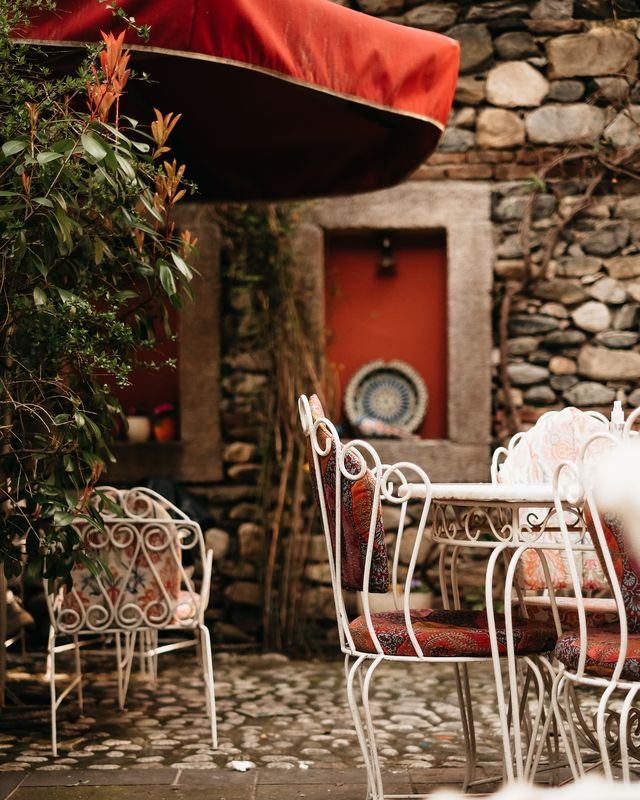
A lot of patio layouts try to cram furniture right up against every wall in a bid to create an open central space. It makes sense, right? But what you often end up with is a border of obstacles that really gets in the way of movement and puts a crimp in flexibility.